it's gonna have been may

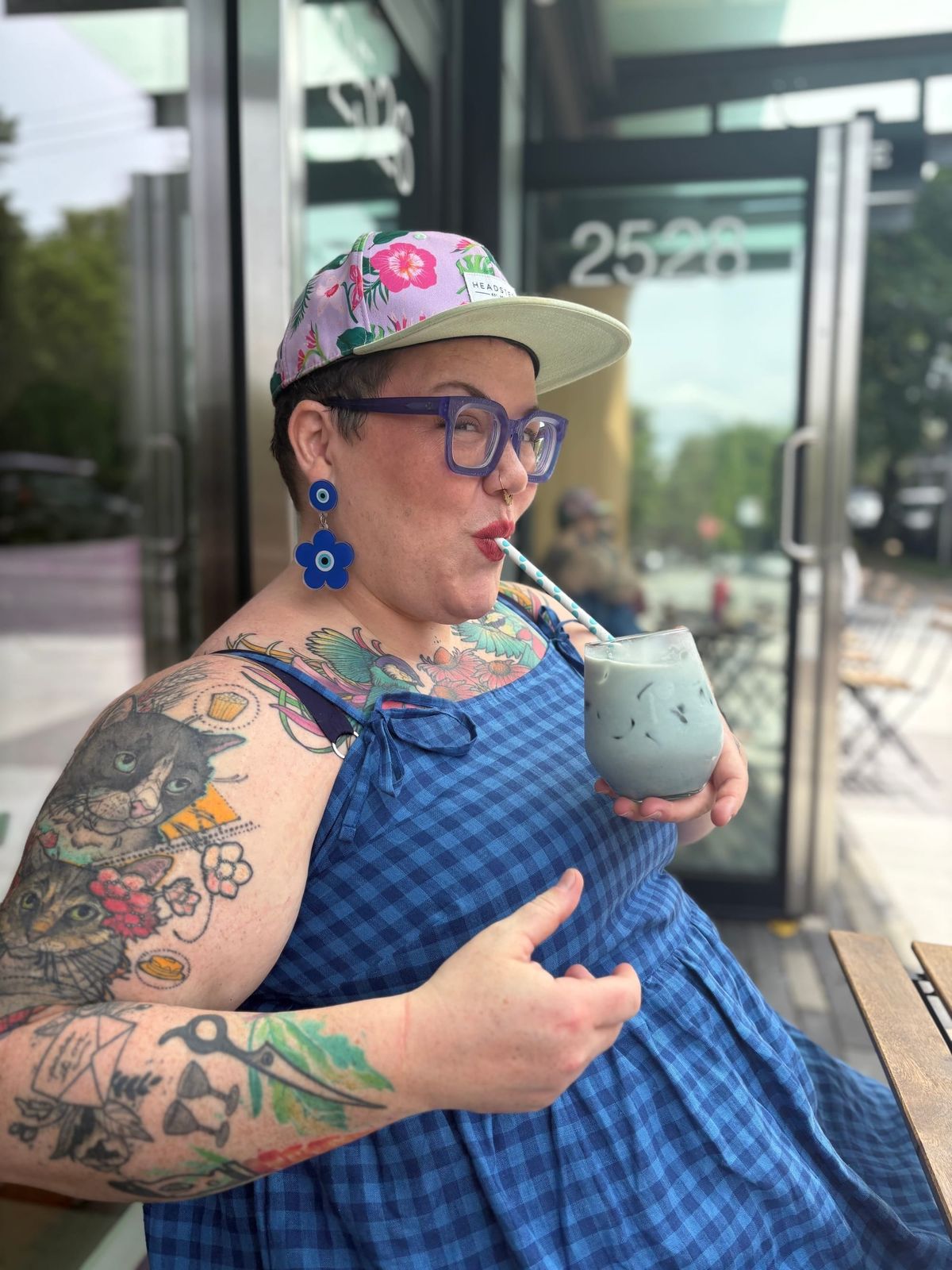
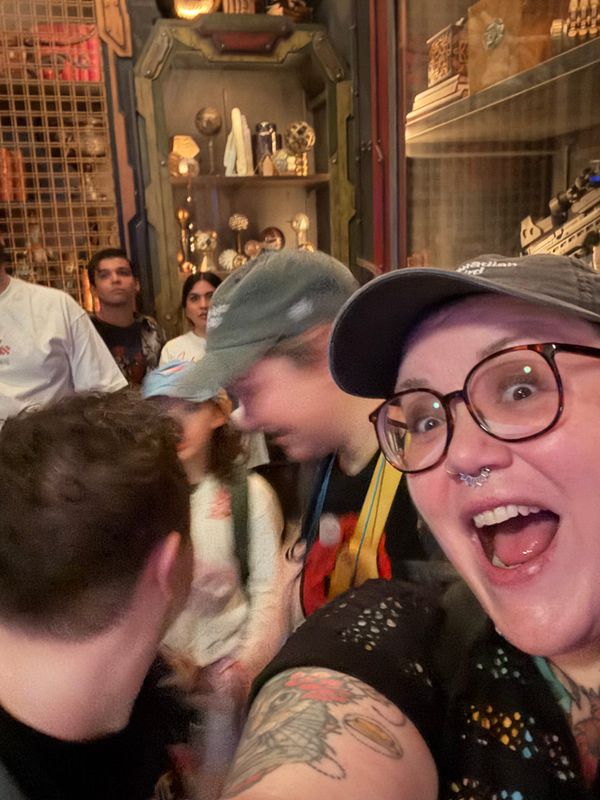
May was kind of a blur because I spent a good chunk of the month recovering from my Disney trip. I love going hard at Disney for a week but boy am I consistently super sick after.
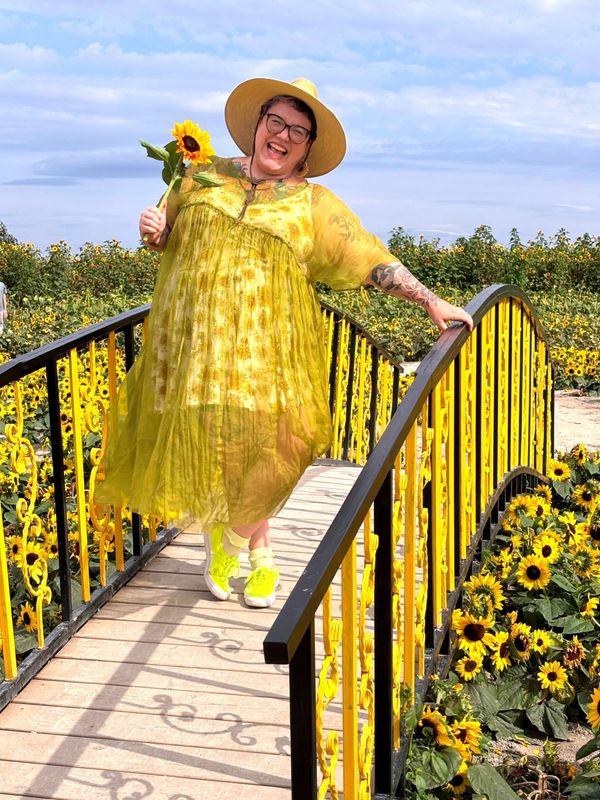
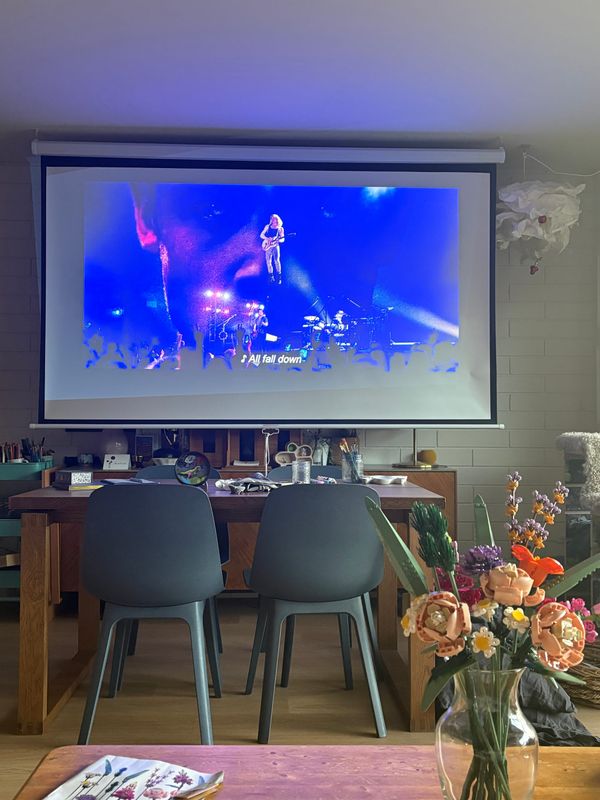
The other thing I've been up to is celebrating my birthday. I turned 42 on May 25, and I marked the occasion not with a big party, as I have in the past, but with a bunch of small hangs and treats and delights. I bought myself a new bathing suit and new bras, got some new holes in my ears, did a truly enormous Lego kit, and did shrooms for the first time. What can I say: I contain multitudes.
In between coughing spells and birthday celebrations, I also recorded a whole grip of podcast episodes. Here they are!
Looking for something fun to do in June? Check out this free talk Zena is giving on June 15th: "It Is Our Promiscuity That Will Save Us: Queer Care, Community-Building, and the Messiness of Interdependence." You can join in person if you're Toronto-based or via Zoom if you aren't.
If you're local to Vancouver, consider coming to see my choir perform on Saturday, July 4. We put on a very fun show and all the proceeds go to a local charity; this year, we're raising money for Rise Women's Legal Centre.
I've been writing a lot this month, in fits and starts and across multiple projects. I told you last month about Thoreau in Disneyland, which I've now moved into my favourite writing software, Scrivener. That's how you know it's real: once it's in Scrivener, it's a project I'm committed to writing. So far there are ten essay fragments in there, on Disney, romance novels, picking, Kokomo, veganism, daddy issues, looking at animals, houses, Night in the Woods, and the state of the modern university. I've read about procedural ethics in video games, Morgellons disease, and the Share House Project. I've written about my own nightmares, imagined houses I've never been in, and the regrets that haunt a friend's suicide. I'm writing across all ten essays simultaneously, adding bits as they occur to me without any attachment to what exactly this book is going to be. It's fun and scary.
Every book I write is different from the ones that came before because one of the great pleasures of writing for me is discovery through process. This book feels more intuitive and improvisational than anything I've written before; it's also more vulnerable, and will require me to navigate the ethics of telling stories that aren't mine in ways I haven't done before. I'm feeling into the writing style and process that will best suit this project. And while I'm certainly learning from my previous books, I'm also trying to leave space for something new.
That's why I like collaborating so much: because every collaboration is unique to those particular collaborators at the level of both process and product. I value long-term collaborations like the one I have with Marcelle, and I value one-off collaborations like Podcast or Perish, a book that is so much sillier than it has any reason to be because that's the energy that Ian and Lori and I manifested together. The other writing I've done this month has been on new collaborative writing projects: a book on the aesthetics of Twitter tentatively called A Uniquely Digital Embarrassment that I'm writing with my friend Aimee, and a revised edition of the Amplify podcasting guidebook that I'm co-authoring with Stacey Copeland, but now with a ton of new case studies from other scholarly podcasters.
The process for these projects is very different. Aimee and I are building our book out of hours and hours of free-wheeling conversation about our favourite tweets of all time, what made Twitter an exciting platform for both humour and literary experimentation, and how its aesthetic affordances were inextricable from its harm. Our process has involved a lot of sticky notes, index cards, and napkin notes. Now that we're at the drafting stage, it involves a lot of reading aloud to each other, alongside free writing and what I call over-writing: freely editing your collaborator's draft as though it were your own without preciousness or fear as a means of iteratively developing your shared writing voice. (If there's a technical term for this, let me know; when I searched "over-writing" all I got was references to purple prose.) It's moving slowly because we want to write it while we are physically together in the same space, but it can move slowly, because the process is the point and the pleasure and because Twitter is already dead. ¯\_(ツ)_/¯
The podcasting guide, on the other hand, is under contract with Wilfrid Laurier University Press, funded by the SpokenWeb partnership, and co-authored by fourteen contributors in addition to Stacey and me. There are multiple spreadsheets. There are word counts and deadlines. But many of the principles I'm bringing to this project are the same ones I bring to any collaboration: centring the wellbeing and humanity of those contributing over the outcome, recognizing that deadlines can always be moved, and doing my best to enjoy the process instead of fixating on the product.
I'm moving toward a significant pivot-point in my career, with a number of roles and projects coming to a close. I don't want to leap too quickly into figuring out what the next stage will look like, but as discourses of generative AI efficiency and fears of being "left behind" proliferate, I've been thinking a lot about slow processes. If the process is the point – if, as is so often the case for me, that's where the learning happens – then efficiency can't be the goal.
Your turn: tell me what you prefer to do slowly, or what you're writing/creating right now, or how you like collaborating, or your opinion on Night in the Woods.